
A Smart Way to boost Efficiency and Optimize Inventory
Start Billing with GST Book Free Demo*Free & Easy - no hidden fees.
 Call For Demo 9168696091/92/93







Overstocking, stockouts, lost sales, and unhappy consumers can all result from manual stock administration or from using outdated systems. This is an example where a stock management system (SMS) may help businesses improve supply chain performance, improve accuracy, and streamline operations.This guide goes over the terms of a stock management system, its most significant attributes and benefits that the most effective tools for 2025, and how to select which is right for your business..
A digital instrument called a stock management system helps businesses in controlling, tracking, and effective their inventory levels. It helps reduce human error and improve decision-making by including everything from order processing to inventory tracking. Implementing a stock management system can considerably boost efficiency, reduce costs, and ensure product availability, depending on the size of your business—from a single retail site to a multi-warehouse difficult
Inventory in Real Time: Monitor the flow and amount of inventory in multiple places Get your real-time inventory updates to help you in earn smarter choices and avoid stockouts or overstock.
Management of Rules: Handle at all times of the order process via effortlessness, from accepting and processing orders to dealing with returns. Workflows can be electronic to cut away at manual errors and delays.
Scanning Barcodes: Apply barcode scanning tools to enhance accuracy and speed. This makes stock audits easier and reduces the sum of manual data entry.
Reporting & Analytics: Find useful reports on stock valuation, sales trends, and inventory turnover. These insights assist in stock level optimized and demand forecasting.
Integration with Other Systems: For more effective operations, modern stock management solutions apply with ERP tools, e-commerce platforms ( like Shopify and It), and accounting software.
Improved Accuracy: Minimize others tracking errors by automating inventory recording and adjustments.
Increased Efficiency: Free up staff time by implementing lengthy tasks like stock updates, report generation, and reordering.
Reduced Costs: Avoid keep too much or insufficient stock. Reduce losses from unsold or expired goods and save income on storage.
Better Customer Satisfaction: Ensure accurate shipment and constant product inventory in order to create more trust and repeat business.
Enhanced Scalability: Whether you add new products, stores, or sales channels, a good SMS can grow with your company.
Here are some of the best stock management systems for various business needs:
| Software | Best For | Features |
|---|---|---|
| Zoho Inventory | Small businesses | Multi-channel selling, integration with Shopify, real-time tracking |
| Fishbowl | QuickBooks users | Robust inventory control, barcode scanning |
| NetSuite ERP | Large enterprises | End-to-end inventory and financial management |
| inFlow Inventory | SMEs | Cloud-based, user-friendly, mobile app support |
| Sortly | Visual users | Visual inventory tracking, mobile access, easy setup |
Assess Your Business Needs: Consider with your product type, sales volume, channels, and locations. A POS-integrated SMS may be important to an offline store, but complex logistics support is required for warehouses.
Set a Realistic Budget: Free open-source tools and commercial software that costs hundreds of dollars a month are both examples of stock management systems. Cost, value, and important features should all be equal.
Prioritize Scalability: Choose a system that may grow and support more users, products, and integrations as your business grows
Focus on User Experience: Decide on software which can be easy to learn and has an intuitive interface. This promotes productivity and passes shorter the training time.
Evaluate Customer Support: For troubleshooting and onboarding to occur effectively, strong support whether by means of chat, mobile phone, or knowledge base is important.
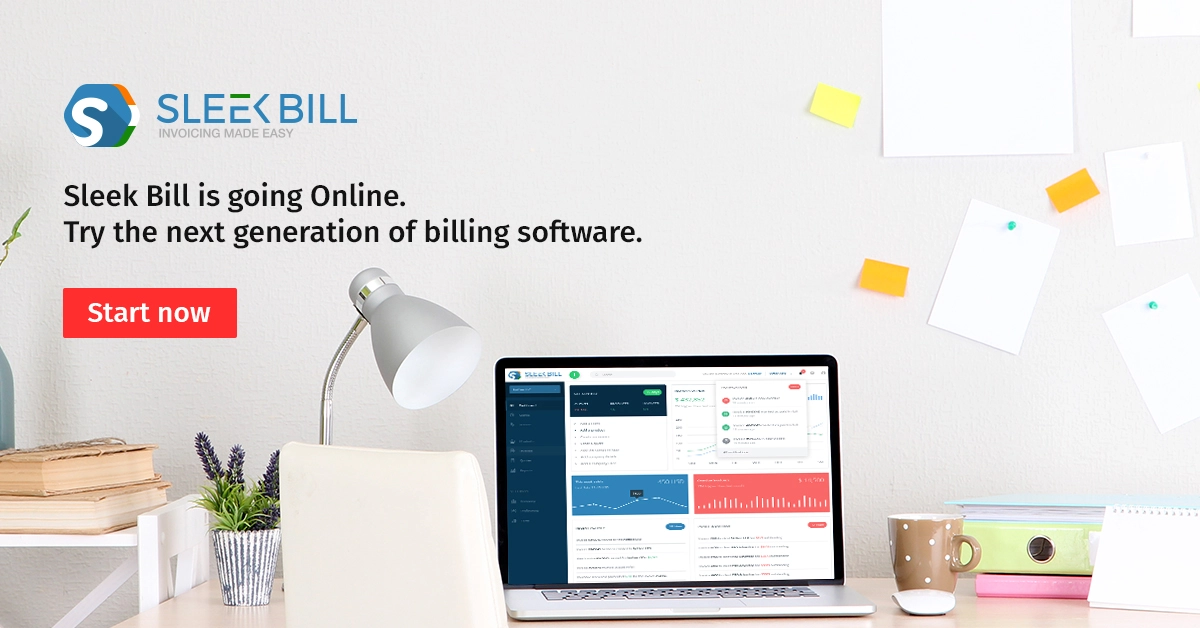
A stock management system is a business asset that grows the clarity, control, and consistency of your inventory operations. It is more than just a tool. The correct solution could decrease expenses, boost customer satisfaction, and propel business expansion for small businesses and large-scale businesses alike.It's time for you to embrace academically inventory control with Sleek Bill and wish thanks to manual stock logs, despite the amount of items you deal with—100 or 100,000.
 GST Export Invoice Format
Requirements for export invoice templates in GST.
 Credit Note Format
Why Need Credit Note?

Requirements for composition scheme documents.

GST features in online billing software.

Requirements for export invoice templates in GST.

Receipt of items or services for GST Exempt.

केंद्रीय वस्तु एवं सेवा कर

Receipt voucher record the receipt of payment.




Even though both systems keep track of inventory, inventory management often involves broader features like valuation, categorization, and location-based control, yet stock management prioritizes on the quantity of goods on hand..
Yes. For smooth order flow and automated stock updates, top SMS tools provide e-commerce integrations with Shopify, WooCommerce, Amazon, and various other platforms.
Yes. Small business stock management is the key objective of tools like Sortly, Zoho Inventory, and inFlow, featuring scalable and reasonably priced features.
Barcode scanning reduces manual data entry, streamlines auditing methods, and makes sure quicker and more accurate inventory updates.
The tool and features determine the price. Depending on the complexity, integrations, and size of the company, some offer free basic plans, while others might cost $30 to $500 per month.
 Free training & support
 60K Happy Customers Worldwide
 Serious about Security & Privacy
Optimize your inventory try our Stock Management System today!
*Free & Easy - no hidden fees.