Building Trust Through Transparent Financial Reporting
*Free & Easy - no hidden fees.
 Call For Demo 9168696091/92/93




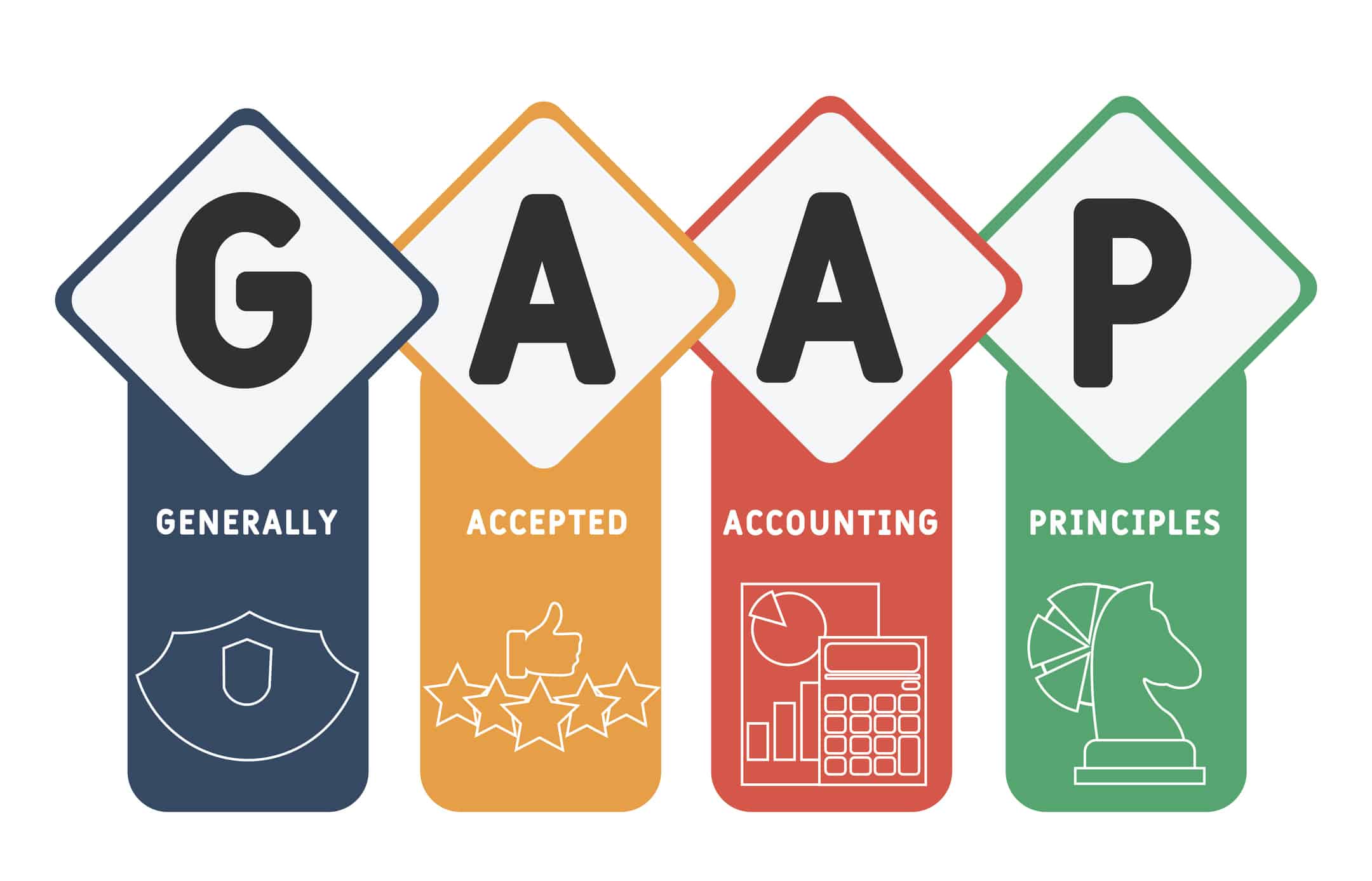
If you ever attempted to read a company's financial report, you likely realized it's not so much light reading. That's where GAAP enters. It's an acronym for Generally Accepted Accounting Principles, and essentially it's the rulebook American companies follow in order to present their finances accurately and consistently.
Think about if every business invented its own method of reporting profits. One might report losses as "investments," another might omit debts entirely. GAAP eliminates that by ensuring everyone is playing by the same rules. It allows people to compare businesses accurately and understand who's being honest.

GAAP didn't suddenly pop into existence one day. In the 1930s, during the Great Depression, many companies were deceiving people regarding their finances. This caused investors huge losses. To correct the situation, the U.S. government passed legislation to make financial disclosure more truthful. Subsequently, in 1973, the Financial Accounting Standards Board (FASB) was formed to oversee and maintain GAAP—and they continue to do so today.
Regularity: The organization must follow all accepted accounting rules and regulations without deviation.
Consistency: The same accounting methods should be used across periods so financial statements are comparable over time.
Sincerity: Financial records should honestly reflect the company’s financial status without manipulation.
Permanence of Methods: Consistent procedures should be maintained in financial reporting to ensure comparability between reporting periods.
Non-Compensation: All aspects of a company’s financial performance should be reported clearly, with no offsetting of debts with assets or expenses with revenues.
Prudence: Financial reporting should be realistic and not overly optimistic, avoiding exaggeration of income or understatement of expenses.
Continuity: It is assumed that the business will continue operating unless there is evidence to the contrary.
Periodicity: Financial statements should be reported at regular intervals, such as monthly, quarterly, or annually.
Materiality: All significant information must be reported; any omission could mislead the user of financial statements.
Utmost Good Faith: All individuals involved in the financial reporting process must act honestly and disclose all relevant facts.
| Aspect | GAAP (U.S.) | IFRS (Global) |
|---|---|---|
| Basis | Rules-based | Principles-based |
| Development Authority | Financial Accounting Standards Board (FASB) | International Accounting Standards Board (IASB) |
| Geography | Primarily United States | 160+ countries worldwide |
| Flexibility | Detailed, specific rules | Broad guidelines with interpretation |
| Focus | Compliance with rules | True and fair financial representation |
Any company that's listed on a U.S. stock exchange must comply with GAAP. That's the law. Private companies aren't required to, but many still do—if they seek loans, investors, or partners. It just makes them appear more legitimate.
Complying with GAAP may seem like a pain, but it's worth it. Here's why:
Maintains financial information consistent and easier to read.
Prevents dubious reporting or even dishonesty.
Creates confidence with banks, investors, and the general public.
Allows you to compare performance between different businesses.

GAAP might require some adjustment to the way you think about money, but believe me, it's basically just a level of rules established in order to keep businesses honest and their numbers simply readable. With companies keeping to the same principles, everyone—from investors, banks, and the rest—has an easier time understanding just how well a business is doing. If you’re thinking about diving into finance or business, getting a handle on the basics of GAAP is definitely a smart move.
 GST Export Invoice Format
Requirements for export invoice templates in GST.
 Credit Note Format
Why Need Credit Note?

Requirements for composition scheme documents.

GST features in online billing software.

Requirements for export invoice templates in GST.

Receipt of items or services for GST Exempt.

केंद्रीय वस्तु एवं सेवा कर

Receipt voucher record the receipt of payment.


GAAP stands for Generally Accepted Accounting Principles.
GAAP ensures that financial reports are consistent and honest.
The Financial Accounting Standards Board (FASB) determines GAAP standards.
Only public companies are required to use GAAP, but many private companies follow it as well for transparency.
GAAP is stricter and used in the U.S., while IFRS is more flexible and used in over 160 countries.
 Free training & support
 60K Happy Customers Worldwide
 Serious about Security & Privacy
Ensuring consistency, honesty, and comparability in every financial report
*Free & Easy - no hidden fees.
 Call Back Request