
 Call For Demo 9168696091/92/93







 Call Back Request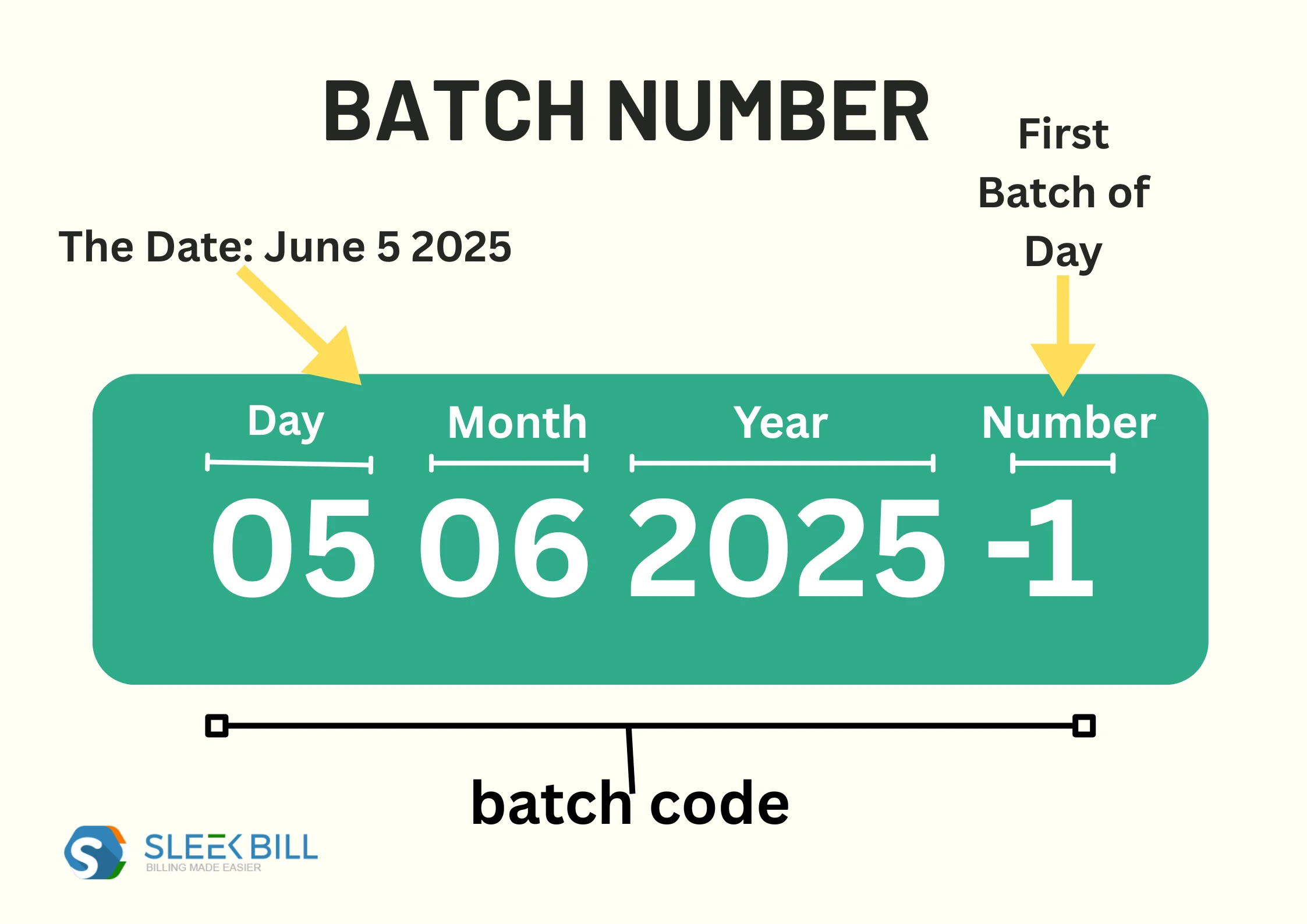
What is Batch Number?
Batch number is a unique number assigned to a particular batch of goods
manufactured or processed simultaneously under similar conditions. A batch
number, as digits, alphabets, or characters, renders an item traceable from the
start up to the point of the end of its complete life cycle within the supply chain.
Also referred to as a batch number, the code helps manufacturers and retailers
keep accurate historical records per batch of goods, improving traceability, quality
control, and consumer protection.
Why Products Require a Batch Number?
Having a batch number on your products isn't only good practice; it's also usually a legal requirement:
Quality Control
-
Helps maintain strict control over product quality by tracking individual batches throughout production and distribution.
Legal and Regulatory Compliance
-
A number of industries (e.g., pharmaceutical and food) require batch numbers as a matter of law to aid audit and inspection processes.
Consumer Protection
-
Returns essential information like date of manufacture, date of expiration, and quality guarantees to customers, which creates trust and openness.
Traceability and Recall
-
Allows for quick tracing of products back to their manufacturing past.
-
Facilitates effective recalls of faulty or contaminated products, minimizing disruption and expense.
Inventory Management
Ensures older batches sell first, reducing waste and improving product freshness.
Complements deliver chain management through correct statistics and better forecasting.
How Batch Numbers are Assigned
The format and shape of batch numbers range relying on industry requirements and inner corporation approaches. Common approaches include:
Numeric Codes - Straight numeric sequences (e.g., 001, 002).
Alphanumeric Codes - Letters and numbers mixed (e.g., A0123B).
Date Codes - Using manufacturing dates to ensure easy traceability (e.g., 20240430).
Special Characters - Using symbols for internal coding and quick recognition.
Consistency in the format chosen simplifies inventory control and recall processes, boosting operational efficiency.
Which Industries Make Frequent Use of Batch Numbers?
Batch numbers are an essential component in various major industries where safety, quality, and compliance are of importance:
Prescription medicines - Fundamental for traceability of medicines, patient safety, and regulatory compliance.
Food and Beverage - Essential for ensuring food safety standards, shelf life tracking, and managing recalls.
Cosmetics - Used to display product fine, manipulate shelf-existence, and comply with safety rules.
Manufacturing - Assists in keeping inventory accurate, traceable production, and transparent operations.
Batch Number vs. Batch Code: What’s the Difference?
The terms "batch number" and "batch code" are often used interchangeably. Both refer to a unique identifier printed on a product that helps track when and where it was made. This makes it easier to manage inventory, ensure quality, and trace any issues back to their source.
What to Use Batch Numbers For?
Batch numbers can significantly streamline your business processes when used effectively for:
Quality Control - Maintain strict monitoring throughout production cycles.
Compliance - Meet legal and industry standards for tracking and documentation.
Inventory Management - Facilitate better inventory planning and reduce waste by tracking product age.
What Not to Use Batch Numbers For?
However, batch numbers should not be misused as:
Indicators of product quality or safety by themselves.
Standalone expiration date replacements (should be accompanied by clear expiry or best-before dates)
Methods to track individual custom orders or made-to-order items.
Key Benefits of Using Batch Numbers Effectively
Here’s how efficiently managed batch numbers can boost your business:
Better Inventory Control - Allows efficient monitoring of production and sales trends.
Higher Product Quality - Facilitates quick resolution of defects or complaints, improving overall quality control.
Faster Recalls - Enables rapid identification and recall of problematic batches.
Builds Customer Trust - Demonstrates transparency and commitment to first-class.
Smarter Business Decisions - Allows accurate tracking of sales trends and production data.
Best Tips for Batch Number Management
To ensure maximum benefits from your batch numbers, follow these best practices:
Use One Format Only - Select a clean, consistent format and stick to it rigidly across your entire product line.
Make Durable Labels - Use labels and printing methods that resist environmental conditions, retaining readability through the supply chain.
Automate the Process - Utilize batch tracking software or ERP systems for accuracy and efficiency.
Regular Training - Make sure your whole team is trained on the significance and protocol of batch numbers.
Keep Detailed Records - Have detailed, easy-to-access records available for audits and regulatory purposes.
Transparency with Customers - Inform customers clearly about batch information on packaging to increase consumer trust.
Periodic System Reviews - Periodically review and maintain your batch numbering system for enhanced effectiveness and compliance.

 GST Invoice Format
 GST Billing Benefits


 GST Credit Note
 GST Online Advantages








 Free training & support
 60K Happy Customers Worldwide
 Serious about