Goods and Services Tax (GST) is a unified indirect tax device applied in India to update multiple us of a and essential taxes. It is a vacation spot-based tax that guarantees tax sales flows to the nation where the products or carrier are ate up.

Understand the key differences between IGST, CGST, SGST, and UTGST for seamless tax compliance.
*Free & Easy - no hidden fees.
 Call For Demo 9168696091/92/93







Goods and Services Tax (GST) is a unified indirect tax device applied in India to update multiple us of a and essential taxes. It is a vacation spot-based tax that guarantees tax sales flows to the nation where the products or carrier are ate up.
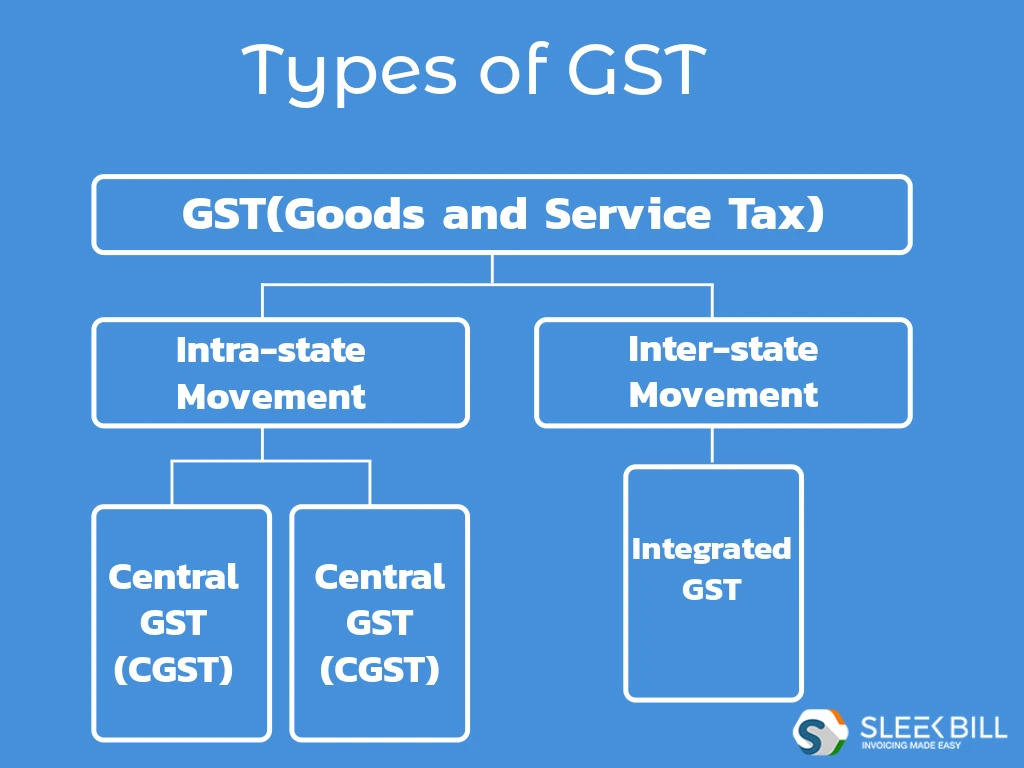
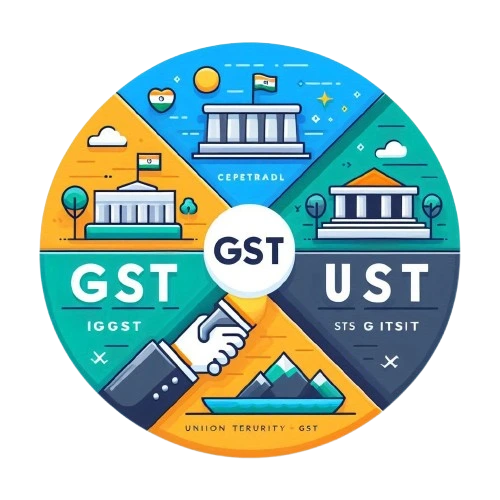
GST is classified into 4 major kinds:
CGST (Central Goods and Services Tax) – Imposed tax on intra-state transactions, increase over a time period thru the Central Government.
SGST (State Goods and Services Tax) – Imposed on intra-nation transactions, amassed via the State Government.
UTGST (Union Territory Goods and Services Tax) – Tax imposed on intra-union territory transactions, accumulated by the Union Territory Government.
IGST (Integrated Goods and Services Tax) – Tax imposed on inter-kingdom transactions, amassed by the Central Government, and later distributed between the worried states.
Understanding while and the way GST applies depends on the character of the deliver transaction:
Intrastate Supply → CGST + SGST/UTGST (same nation/UT transactions).
Interstate Supply → IGST (between extraordinary states or UTs).
Exports & SEZ Transactions → Considered interstate and difficulty to IGST.
Imports → Subject to IGST.
GST is collected where goods and services are ate up, now not wherein they are produced. This ensures fair revenue distribution among states, getting rid of cascading effects in taxation.
The Input Tax Credit (ITC) mechanism permits agencies to offset tax liability successfully. ITC usage follows those precedence regulations:
IGST Credit → First offset against IGST liability, then CGST or SGST as in line with choice.
CGST Credit → Can be spark off most effective against CGST or IGST.
SGST/UTGST Credit → Can be prompt only in opposition to SGST/UTGST or IGST.
Understanding how GST is calculated facilitates companies make sure compliance and accurate tax filings.
Example 1: Intrastate Sale
Example 2: Interstate Sale
India follows a twin GST model because of its federal shape. The reasons in the back of this split encompass:
While VAT and GST are both value-primarily based taxes carried out at multiple stages, they vary in implementation:
| Type of GST | IGST | CGST | SGST | UTGST |
|---|---|---|---|---|
| Jurisdiction | Central Government |
Central Government |
State Government |
Union Territory Government |
| Applicability | Interstate & Import transactions | Intrastate transactions | Intrastate transactions | Intra-UT transactions |
| Revenue Beneficiary | Central Government (shared with states) | Central Government | State Government | UT Government |
| ITC Utilization Priority | IGST > CGST/SGST | CGST > IGST | SGST > IGST | UTGST > IGST |

Understanding CGST, SGST, UTGST, and IGST is important for businesses to conform with GST guidelines and manipulate their tax liabilities correctly. Sleek Bill simplifies GST invoicing and ensures agencies can seamlessly song transactions, follow ITC, and generate tax opinions. By studying GST components, businesses can optimize tax bills and stay compliant with India’s tax legal guidelines.
 GST Invoice Format
Requirements for invoice templates in GST.
 GST Billing Benefits
Advantages & benefits of the new tax system.

Requirements for composition scheme documents.

GST features in online billing software.
 GST Credit Note
Find out when and how to issue GST compliant credit notes.
 GST Online Advantages
Benefits of online over offline invoice software.

Requirements for export invoice templates in GST.

Receipt of items or services for GST Exempt.

केंद्रीय वस्तु एवं सेवा कर

Receipt voucher record the receipt of payment.




GST stands for Goods and Services Tax. It is a vacation spot-based totally tax levied at the deliver of products and offerings, changing a couple of oblique taxes like VAT, Service Tax, and Excise Duty.
1.CGST – Levied by way of the Central Government on intra-kingdom materials.
2.SGST – Levied by way of the State Government on intra-country supplies.
3.UTGST – Levied via Union Territory Governments on intra-UT materials.
4.IGST – Levied with the aid of the Central Government on inter-state and international elements.
1.Intra-state deliver takes place when the provider and consumer are inside the same nation/UT.
2.Both CGST and SGST/UTGST practice.
3.Example: If GST is 18%, it is divided as 9% CGST + nine% SGST/UTGST.
1.The most IGST fee is 28%, as consistent with the IGST Act, 2017.
2.IGST applies to inter-state and global transactions.
3.Revenue is shared between the Central and ingesting State Governments.
 Free training & support
 60K Happy Customers Worldwide
 Serious about Security & Privacy
Understand IGST, CGST, SGST & UTGST – A Complete Breakdown for Easy Compliance!
*Free & Easy - no hidden fees.