A Complete Guide for Importers and Small Businesses
*Free & Easy - no hidden fees.
 Call For Demo 9168696091/92/93






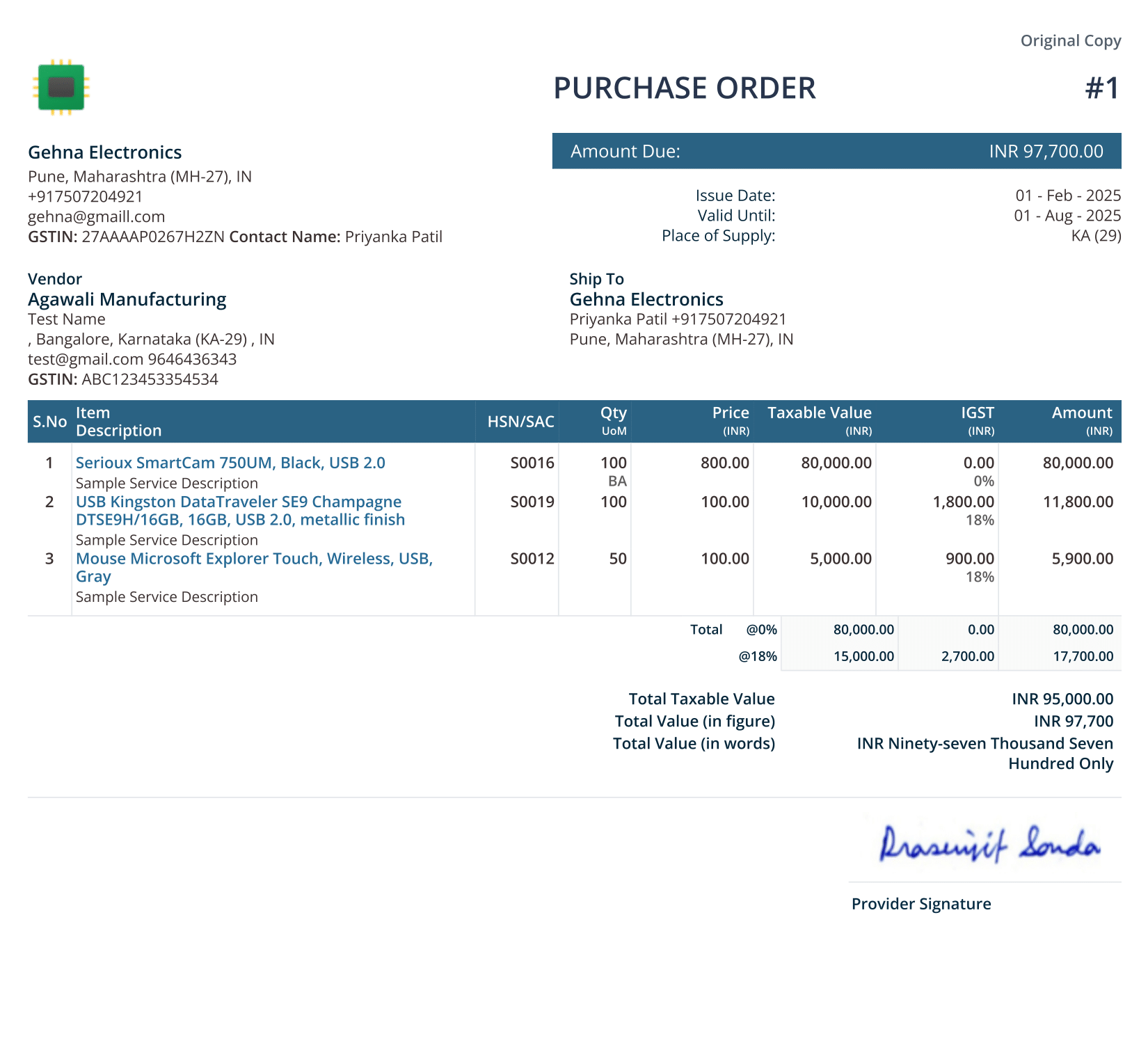
Compliance in the world of global trade is not negotiable. The Bill of Entry is probably the most important document in the process among them all. As an importer, or a small business owner in international trade, or a compliance professional, it is important that you understand what a Bill of Entry in GST is and how to get it right so you don't end up suffering from expensive delays and fine.
When bringing goods into a country, including India, importers are legally required to submit a Bill of Entry in GST, a customs document. It indicates what kind of goods are being imported, how much they cost, and customs duties or tax to which they are subject.
To provide detailed information on the imported goods
To calculate import duties and GST
To obtain customs clearance
To comply with regulations under India’s Customs Act, 1962 and the Integrated Goods and Services Tax (IGST) framework
If you're importing goods, you must submit a Bill of Entry to get them cleared through customs. It's a requirement for all importers.
It keeps companies compliant with tax and customs regulations and out of legal trouble or paying fines.
It allows authorities to trace, assess, and verify the movement of goods accurately.
Documentation leads to less delayed shipments and fewer logistics issues.
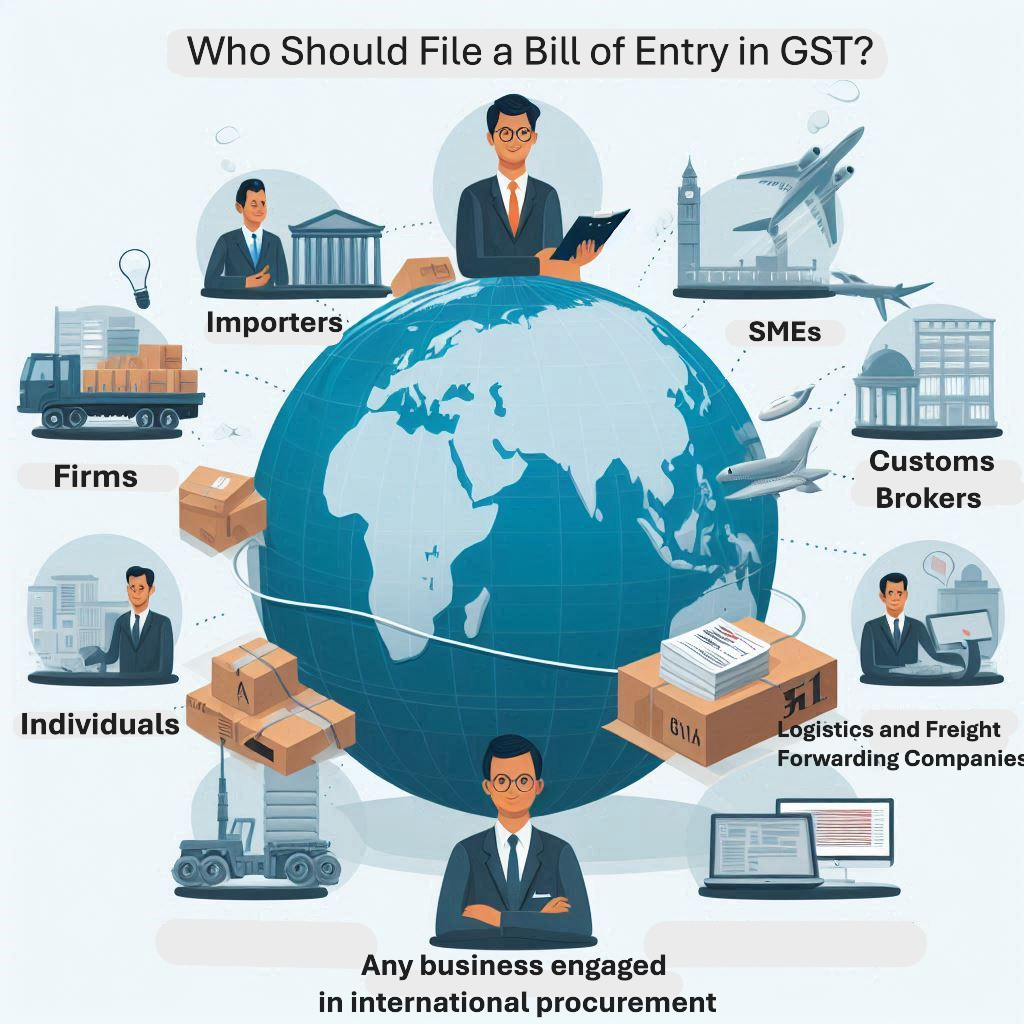
A validly submitted Bill of Entry in GST should contain:
Importer and Exporter Details:Name, address, GSTIN
Description of Goods : Detailed and precise goods information
HS Code (Harmonized System Code) : For classification and tax computation
Quantity and Value : For ascertaining the import duty and GST to be paid
Tax and Duty Distribution : BCD, IGST, and different Taxes
Port of Entry and Mode of Transport : Details about the kind of shipment (land, sea, or air).
| Benefit | Implication on Business |
|---|---|
| Legal Compliance | Prevents fines, holds, or customs disputes |
| Efficient Customs Clearance | Prevents storage charges and delays in shipment |
| Better Financial Planning | Accurate cost estimation including taxes and duties |
| Enhanced Cash Flow Management | Timely delivery ensures improved inventory control |
| Better Supplier Relationships | Professionalism strengthens global business relationships |
Documents Required
● Commercial Invoice
● Packing List
● Bill of Lading or Airway Bill
● Import License (if applicable)
Hire a Licensed Customs Broker
For proper classification, document review, and error-free submission.
Submit Electronically via ICEGATE
Use the ICEGATE Portal.to electronically submit the Bill of Entry in GST.
Pay Customs Duties and Taxes
Based on product value and relevant HS codes as calculated by customs authorities.
Customs Assessment and Inspection (if required)
Authorities may verify the shipment physically.
Goods Released After Clearance
Arrange final delivery from port or warehouse.
Maintain Records for Audit
In compliance with Indian GST regulations, keep all documents for a minimum of 5 years.
Double-check HS Codes and descriptions
Train staff on international documentation requirements
Use billing software integrated with customs documentation tools
Stay updated on customs and GST rule changes
Select experienced customs brokers with digital expertise
| Problem | How to Avoid them |
|---|---|
| Errors in HS Codes or Invoice | Use professional support or tools like Sleek Bill |
| Customs Delays | Submit complete documents early and follow up regularly |
| Duty Calculation Errors | Ensure accuracy through customs advisory or digital platforms |
| Misclassified Goods | Check against official customs tariff schedules |
| Unreliable Documentation | Re-verify all supporting documents and keep an electronic record |
Textile Importer
By submitting a correct Bill of Entry, a textile company evaded peak-season delay, facilitating timely delivery to local buyers.
Electronics Retailer
Used correct HS codes and documentation to avoid overpayment of IGST and maintain competitive pricing.
Food Product Company
By ensuring strict compliance with food import norms, the importer avoided shipment rejection and ensured timely retail availability.
National Retail Chain
To properly predict imports and restock efficiently, they integrated their ERP and inventory systems with customs documentation.
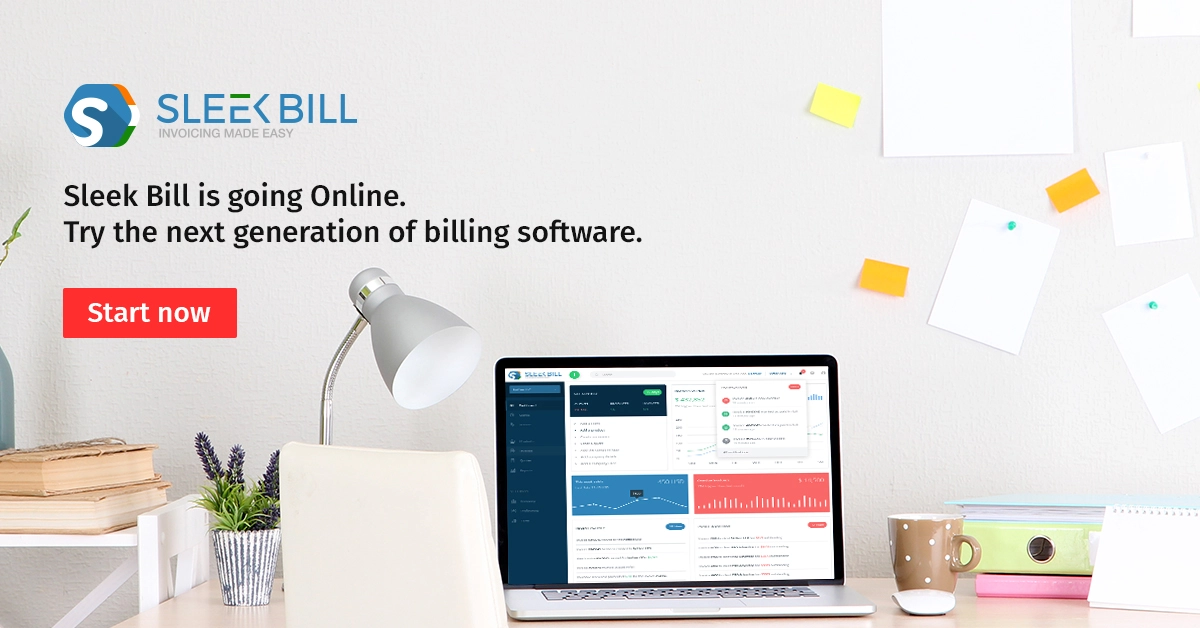
It is imperative that any firm engaged in international business understands the Bill of Entry in GST. It's not merely a customs form—it has the duty of ensuring legal compliance, managing costs, tracking inventory, and appeasing customers. With simple-to-use tools such as Sleek Bill, companies can create digital bills, maintain their records in line, and be on top of compliance—making import transactions seamless and audit-ready round the clock.
 GST Export Invoice Format
Requirements for export invoice templates in GST.
 Credit Note Format
Why Need Credit Note?

Requirements for composition scheme documents.

GST features in online billing software.
Requirements for export invoice templates in GST.
Receipt of items or services for GST Exempt.

केंद्रीय वस्तु एवं सेवा कर

Receipt voucher record the receipt of payment.




Yes, but electronic submission through ICEGATE is the standard in India. It is faster, accurate, and acceptable worldwide.
They determine:
 Free training & support
 60K Happy Customers Worldwide
 Serious about Security & Privacy
Leverage Sleek Bill for Seamless Billing & Financial Management!
*Free & Easy - no hidden fees.